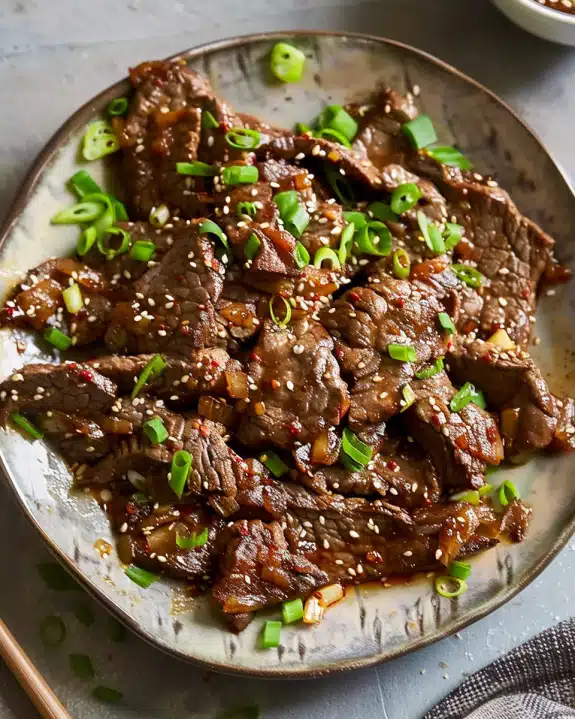
I absolutely adore a good ribeye roast, and I have to tell you, this Rosemary Mustard Crusted Ribeye Roast Recipe has quickly become one of my favorites for special dinners. The crust forms this incredible flavorful shield that keeps the meat juicy while giving it an aromatic, herby kick. I love how the tangy mustard and earthy rosemary blend perfectly to create a crust that’s as delicious as the tender, richly marbled ribeye inside. It’s a recipe that fills my kitchen with mouthwatering smells and always earns compliments when I serve it up to family and friends.
Why You’ll Love This Rosemary Mustard Crusted Ribeye Roast Recipe
For me, this recipe stands out because of the harmony between bold and subtle flavors. The sharpness of the mustard awakens the palate while the rosemary adds a fragrant, woodsy note that feels both rustic and refined. The ribeye, with its marbled fat, stays juicy and tender throughout cooking, and the crust locks all of that moisture and flavor in. It’s like a celebration of textures and tastes in every bite, and really makes the whole roast feel extra special.
Another great thing about this Rosemary Mustard Crusted Ribeye Roast Recipe is how straightforward it is to prepare. I’m not one for overly complicated steps when making something so impressive, and this recipe hits that sweet spot of looking and tasting gourmet without requiring hours or tricky techniques. I often choose this roast for holidays, weekend dinners, or anytime I want to impress guests without feeling overwhelmed. What really makes it stand out is how the simple ingredients come together for such a deliciously memorable meal.
Ingredients You’ll Need

This recipe uses simple, high-quality ingredients that are easy to find but each one plays an essential role in developing the flavor, texture, and visual appeal of the roast. I always say sticking to quality basics makes a huge difference in the final outcome.
- Ribeye roast (about 4-5 pounds): Choose a well-marbled piece for maximum juiciness and tenderness.
- Dijon mustard (1/4 cup): Adds tangy sharpness that helps bind the herbs to the meat and forms a flavorful crust.
- Fresh rosemary (3 tablespoons, chopped): Provides a fragrant, woodsy aroma that complements the beef beautifully.
- Garlic (4 cloves, minced): Brings a savory depth to the crust that enhances the overall flavor.
- Olive oil (2 tablespoons): Helps blend the herbs and mustard into a cohesive crust and adds richness.
- Salt (to taste): Essential for seasoning the meat and enhancing all the flavors.
- Black pepper (freshly ground, to taste): Adds a sharp, spicy note that balances the richness.
Directions
Step 1: Preheat your oven to 450°F (230°C). This high starting temperature will help create a nice sear on the outside of the roast, locking in the juices.
Step 2: While the oven heats up, pat the ribeye roast dry with paper towels. I always do this because removing excess moisture helps the crust stick better and get nice and crispy.
Step 3: In a small bowl, combine the Dijon mustard, chopped rosemary, minced garlic, olive oil, salt, and freshly ground black pepper. Stir until it forms a thick paste. This is your flavorful crust mixture that will coat the roast.
Step 4: Rub the mustard-herb mixture evenly all over the surface of the ribeye roast, making sure to coat every side. This step is so satisfying because you can already smell the flavors marrying.
Step 5: Place the roast on a rack in a roasting pan or on a baking sheet with a rim to catch any drippings. Put it in the oven and roast for 15 minutes at 450°F to sear the outside.
Step 6: After the initial sear, reduce the oven temperature to 325°F (165°C) without opening the door. Continue roasting until the internal temperature reaches your desired doneness—about 1 to 1½ hours for medium rare (130-135°F), using a meat thermometer for accuracy.
Step 7: Once done, remove the roast from the oven and tent it loosely with aluminum foil. Let it rest 15-20 minutes; this resting period allows the juices to redistribute, keeping the meat juicy and tender.
Step 8: Slice the roast against the grain to maximize tenderness, and serve immediately. The crust will be crisp and flavorful, complementing every bite of the rich ribeye.
Servings and Timing
This Rosemary Mustard Crusted Ribeye Roast Recipe generously serves 6 to 8 people, perfect for a family gathering or a small dinner party. Prep time is about 15 minutes to gather and mix ingredients and coat the roast. Cook time varies depending on the size of your roast and desired doneness but typically ranges from 1 hour 15 minutes to 1 hour 45 minutes including the initial sear and slower roast. Don’t forget to factor in 15 to 20 minutes of resting time, which is crucial for juicy meat. All together, you’re looking at roughly 1 hour 45 minutes to 2 hours from start to finish.
How to Serve This Rosemary Mustard Crusted Ribeye Roast Recipe

When I serve this ribeye roast, I love pairing it with sides that complement the robust flavors without overpowering them. Roasted garlic mashed potatoes or creamy polenta offer the perfect soft, comforting contrast to the crisp crust. I also often serve a simple side of sautéed green beans with almonds or a light arugula salad dressed with lemon vinaigrette to provide a fresh, peppery balance.
For presentation, I usually slice the ribeye roast thick enough to showcase its juicy pink center and arrange the slices on a warmed platter. Garnishing with a few sprigs of fresh rosemary around the edges adds an inviting touch that pairs with the herb crust. Serving the roast warm or at just-off-the-oven temperature preserves that wonderful mouthfeel — I find chilling it diminishes the juicy effect of the crust.
I like to offer wine pairings that complement the deep flavors of this roast. A bold Cabernet Sauvignon or a peppery Syrah enhances the herbal notes and richness without overwhelming the dish. If wine isn’t your thing, a well-crafted craft beer like an amber ale or a sparkling water infused with fresh citrus also works beautifully. This roast is perfect for holiday dinners, celebratory meals, or simply a cozy weekend feast where you want to impress but stay relaxed.
Variations
I enjoy experimenting with this Rosemary Mustard Crusted Ribeye Roast Recipe by trying different herb combinations or adding spices into the crust mix. Sometimes I swap rosemary for thyme or even add a pinch of smoked paprika to give it a subtle smoky warmth. If you want a little heat, stirring in a dash of cayenne pepper into the mustard mixture adds a nice kick without overpowering the beef.
If you’re catering to dietary needs, this recipe is naturally gluten-free, which I appreciate for guests with gluten sensitivities. For a vegan twist (though it’s quite different from the original), I’ve used a similar mustard and herb crust technique on thick slices of roasted cauliflower or portobello mushrooms, which deliver some of that savory herb flavor in a plant-based way.
For cooking methods, while roasting in the oven is classic, I have occasionally finished the ribeye on a grill after applying the crust to add a charred smokiness that’s incredible. Just be sure to monitor carefully to prevent burning the crust. Slow cooking it at a lower temperature for longer also works if you want ultra-tender results, but you’ll lose some crust crispiness.
Storage and Reheating
Storing Leftovers
I always store leftover ribeye roast in an airtight container to maintain its flavor and moisture. If you’ve sliced it, layering the slices with parchment paper between them prevents them from sticking together. Stored properly in the fridge, leftovers keep well for 3 to 4 days, which makes it a great candidate for next-day sandwiches or salads.
Freezing
You can absolutely freeze this ribeye roast if needed. I recommend freezing it after slicing to make portioning easier later. Wrap the slices tightly in plastic wrap, then place them in a freezer-safe zip-top bag or container to protect against freezer burn. Frozen roast slices maintain reasonable quality for up to 2 months. When you’re ready to enjoy them, thaw overnight in the fridge for the best texture.
Reheating
The best way to reheat leftover ribeye roast is gently in the oven or on the stovetop. I usually place slices on a baking sheet, cover loosely with foil, and warm at 275°F until heated through, which helps preserve the crust without drying the meat. Avoid microwaving if possible, as this tends to make the crust soggy and the meat rubbery. If reheating on the stovetop, use a skillet over low heat with a bit of butter or olive oil, turning frequently, until warmed just right.
FAQs
Can I use a different cut of beef for this recipe?
Yes, while ribeye roast is ideal for its marbling and tenderness, you can use other cuts like prime rib or strip loin. Keep in mind that cooking times and texture may vary, so use a meat thermometer for best results.
How do I know when the roast is done perfectly?
Using an instant-read meat thermometer is your best bet. For medium rare, aim for an internal temperature of 130-135°F before resting. Remember the roast will continue to cook a little while it rests, reaching the perfect doneness.
Can I prepare the crust ahead of time?
Absolutely! You can mix the mustard-herb paste a few hours ahead and keep it covered in the fridge. Even better, applying the crust the night before and refrigerating the roast uncovered helps intensify the flavors and dry out the crust a bit for more crispiness.
What if I don’t have fresh rosemary?
Fresh rosemary adds bright, herbal notes that dried can’t fully replace, but if needed, dried rosemary can be used. Use about one-third the amount of the fresh rosemary and crush it slightly to release the oils before mixing into the mustard.
Is this recipe suitable for a beginner cook?
Definitely! The steps are straightforward and easy to follow, and I find the result very rewarding even for someone new to roasting. Just be sure to use a meat thermometer and allow proper resting time.
Conclusion
I really hope you give this Rosemary Mustard Crusted Ribeye Roast Recipe a try soon. It’s one of those dishes that feels fancy and festive but truly is accessible and downright delicious. I know you’ll love how the tangy mustard and fragrant rosemary create a beautiful crust that locks in all the juicy flavor of the ribeye. It’s such a satisfying meal to share with the people you love, and I promise it will quickly become a go-to recipe in your kitchen.