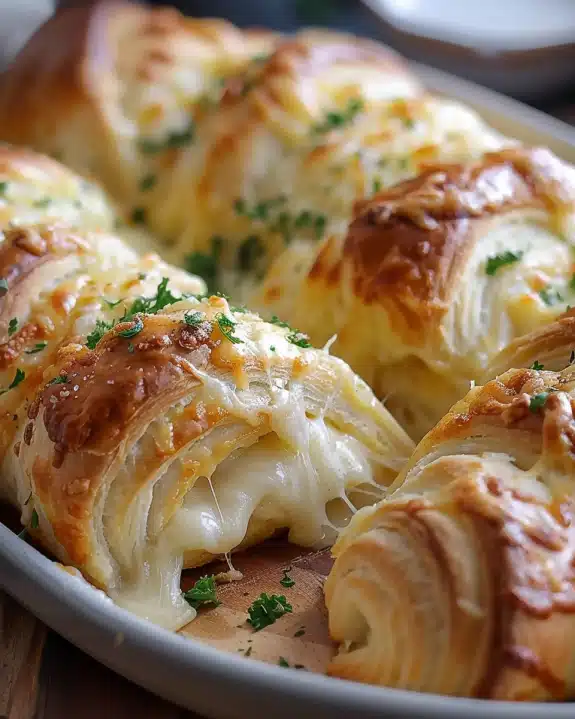
I absolutely love a good, crusty loaf that I can slice and share, and that’s exactly why I’m so excited to share this Homemade Ciabatta Bread Recipe with you. The airy crumb, the golden, crackly crust, and the bold yet slightly tangy flavor make it one of my absolute favorite breads to bake at home. I’ve found that making ciabatta yourself creates a bread experience that supermarket loaves simply can’t match — from the aroma that fills your kitchen to the delightful way it pairs with everything from olive oil dips to hearty sandwiches. This recipe has become a staple in my baking routine, and I can’t wait for you to try it out too.
Why You’ll Love This Homemade Ciabatta Bread Recipe
What really makes this Homemade Ciabatta Bread Recipe stand out in my book is the wonderful balance between its delicate, open crumb and the irresistibly crisp crust. That unique texture is something I always crave when biting into freshly baked bread. The flavor is subtly complex, with a slight tang from the long fermentation that adds depth without overpowering the natural wheaty goodness. Each loaf feels like a small masterpiece that’s both rustic and refined.
I also appreciate how accessible this recipe is. Yes, it takes time because of the preferment, but it’s mostly hands-off, which fits perfectly with my busy days. I find the step-by-step process really manageable, even for someone like me who isn’t a professional baker. Plus, this bread works wonderfully for a variety of occasions — from casual weekend breakfasts with jam and butter to impressive dinner parties where it’s the perfect accompaniment to soups and charcuterie boards. It really is a recipe you’ll want to return to again and again.
Ingredients You’ll Need

The ingredients for this bread are wonderfully simple but each one plays an essential role to ensure the perfect taste, texture, and color of the ciabatta. Using bread flour provides the ideal gluten structure, yeast activates the fermentation, salt enhances flavor, and olive oil helps to keep everything soft and manageable.
- Bread flour (2 1/2 cups plus 1 cup for preferment): Gives the bread its chewy texture and strong gluten network, which is key for the open crumb.
- Active-dry or instant yeast (1/8 teaspoon and 1 teaspoon): These two additions start the fermentation process, helping the dough rise beautifully and develop that characteristic flavor.
- Water (1/2 cup room temperature and 1 cup warm): Hydrates the flour and activates the yeast; water temperature is crucial for yeast activity and dough development.
- Table salt (1 1/2 teaspoons): Brings out the rich flavor in the bread and tightens the dough’s gluten structure.
- Olive oil (as needed): For coating hands and spatula to manage the wet, sticky dough without overworking it.
Directions
Step 1: Start by making the biga or preferment. In a large bowl, whisk together 1 cup of bread flour and 1/8 teaspoon yeast. Add 1/2 cup room-temperature water and mix everything with a silicone spatula until it’s combined into a shaggy dough. Cover that bowl tightly with plastic wrap and let it rest at room temperature for at least 8 hours or up to 24 hours. This slow fermentation develops flavor and texture beautifully.
Step 2: After your biga has rested, it’s time to make the main dough. In a separate large bowl or your stand mixer bowl, dissolve 1 teaspoon yeast in 1 cup of warm water (100–110°F). Let it sit covered for 5 to 10 minutes until it’s foamy and activated. This shows your yeast is alive and ready to do its magic.
Step 3: Add your biga, 2 1/2 cups bread flour, and 1 1/2 teaspoons salt to the yeast-water mixture. Mix gently with a silicone spatula or wooden spoon, or the dough hook on medium speed, until all flour is incorporated. The dough will look dry and shaggy initially — keep working it until it becomes uniform and moistened. The dough should be very wet and slightly sticky; don’t be tempted to add too much flour. To help with handling, lightly oil your hands and gently fold the dough to bring it together.
Step 4: Cover the dough and let it rest for about 45 minutes at room temperature. This first rest allows the gluten to relax and fermentation to begin. After the rest, gently fold the dough a couple of times to strengthen the gluten network, then cover it and let it rise for another 45 minutes or until noticeably puffy.
Step 5: Generously flour your work surface and turn out the dough carefully to avoid deflating it too much. Shape it into a rough rectangle and cut it into two equal pieces using a bench scraper or sharp knife. Transfer each piece onto a parchment-lined baking sheet dusted with flour. Cover loosely with a kitchen towel and allow the dough to proof for a final 30 to 45 minutes until slightly puffed but not doubled.
Step 6: Preheat your oven to 475°F (245°C) with a baking stone or inverted baking tray inside to heat thoroughly. Place a pan with water at the bottom for steam — this will give your bread that signature crust.
Step 7: Slide the parchment and dough onto the hot baking surface. Bake for 20 to 25 minutes until the crust is golden brown and crisp. You’ll know it’s done when the loaf sounds hollow if you tap the bottom gently. Let the bread cool on a wire rack before slicing to preserve the crumb structure.
Servings and Timing
This Homemade Ciabatta Bread Recipe yields 8 generous servings, perfect for sharing with family and friends. The prep time includes about 10 minutes of hands-on work spread throughout the process. However, the recipe requires a long fermentation time of approximately 14 hours total, mostly hands-off, which is crucial for developing that authentic ciabatta flavor and texture. Baking takes around 25 minutes, and you should allow the bread to cool for at least 30 minutes before slicing. Overall, the total time from start to finish is approximately 14 hours and 10 minutes, but trust me, the results are worth every minute.
How to Serve This Homemade Ciabatta Bread Recipe

I love serving this ciabatta warm enough so that the crust is still crisp, but the crumb holds its fluffy airiness. It’s fantastic sliced thickly and buttered simply for breakfast or brunch. For lunch or dinner, it pairs beautifully with soups like tomato basil or creamy mushroom, soaking up broth while adding that satisfying crunch.
When I want to impress guests, I slice the ciabatta thin for crostini topped with ripe tomatoes, fresh basil, and a drizzle of balsamic reduction, or use it as the base for a rustic charcuterie board adorned with cured meats, olives, and cheeses. Garnishing your bread basket with a linen napkin and fresh herbs on the side adds a charming touch to any gathering.
For drinks, I adore a chilled glass of Pinot Grigio or a light, fruity Rosé alongside this bread at a casual dinner party. If you prefer non-alcoholic pairings, a sparkling water with lemon or an herbal iced tea complements the bread’s rustic flavor nicely. This bread truly shines during weeknight meals, holiday celebrations, and weekend gatherings alike, always adding warmth and heart to the table.
Variations
If you want to experiment with this Homemade Ciabatta Bread Recipe, I’ve found a few twists that work wonderfully. For example, swapping some of the bread flour for whole wheat flour adds more nuttiness and fiber, creating a slightly denser loaf with a deeper flavor. You can also add herbs like rosemary or garlic powder directly into the dough for a savory punch that elevates sandwiches and sides.
For dietary modifications, although traditional ciabatta relies on gluten-rich flour, you can attempt a gluten-free version using a specially formulated gluten-free bread flour blend. Just be prepared for a different texture — it won’t have the exact same airy crumb, but with some tweaking, a delicious alternative is achievable. Vegan adjustments are easy since this recipe contains no dairy or eggs, making it perfect for plant-based diets.
Cooking method variations include baking on a pizza stone as described or using a Dutch oven for a more enclosed, steamy environment that enhances crust formation. If you prefer a quicker bread, you can reduce the preferment time, but I personally find that patience truly rewards you with the best flavor and texture.
Storage and Reheating
Storing Leftovers
Once your Homemade Ciabatta Bread has cooled completely, I recommend storing leftovers in a paper bag or a loosely closed bread box at room temperature to maintain the crust’s crispness while preventing it from becoming too chewy. Avoid airtight containers for short-term storage since they trap moisture and soften the crust. Properly stored, the bread will stay fresh for about 2 days.
Freezing
If you want to keep your ciabatta longer, freezing is a great option. Wrap the bread tightly in plastic wrap and then place it in a freezer-safe bag to prevent freezer burn. This method keeps your bread fresh for up to 3 months. When you’re ready to use it, thaw it at room temperature still wrapped to avoid condensation forming on the crust.
Reheating
To bring your ciabatta back to life after storage, I recommend reheating it in the oven at 350°F (175°C) for about 10 minutes. This helps revive the crust’s crunch and warms the crumb perfectly. Avoid microwaving as it tends to make bread rubbery and soggy. You can also sprinkle a little water on the crust before reheating to add steam, enhancing that fresh-baked experience.
FAQs
Can I speed up the fermentation process?
While you can reduce the biga resting time to 8 hours, I don’t recommend rushing it much more than that. The slow fermentation is what builds the flavor and the open crumb characteristic of ciabatta. Faster fermentation can yield less flavor and a denser crumb.
Why is the dough so sticky?
Ciabatta dough is designed to be very wet and sticky to achieve its signature airy texture and open holes. Don’t be tempted to add too much flour as it will make the bread dense. Use olive oil on your hands and tools to handle the dough more easily.
Can I bake this bread without a stand mixer?
Yes! You can mix and knead this dough by hand. Just be gentle and use an oiled hand technique to fold the wet dough carefully instead of traditional kneading, which is tricky with such high hydration dough.
How do I know when the bread is done baking?
The best test is the hollow sound when you tap on the loaf’s bottom. Also, the crust should be deep golden-brown and crisp. If you have a thermometer, an internal temperature of around 200–210°F (93–99°C) indicates it’s fully baked.
Can I make ciabatta bread ahead of time?
Definitely! In fact, making the biga a day ahead is encouraged to deepen the flavor. You can also bake the loaf and reheat it as needed. This makes it great for planning ahead for gatherings or weeknight dinners.
Conclusion
I genuinely hope you’ll give this Homemade Ciabatta Bread Recipe a try because it has been such a joy to bake and share in my own kitchen. There is something truly special about pulling a golden, crisp loaf fresh from the oven and savoring every warm, airy bite. It’s a rewarding experience that brings a little extra love to your meals, and I’m excited for you to enjoy it just as much as I do.